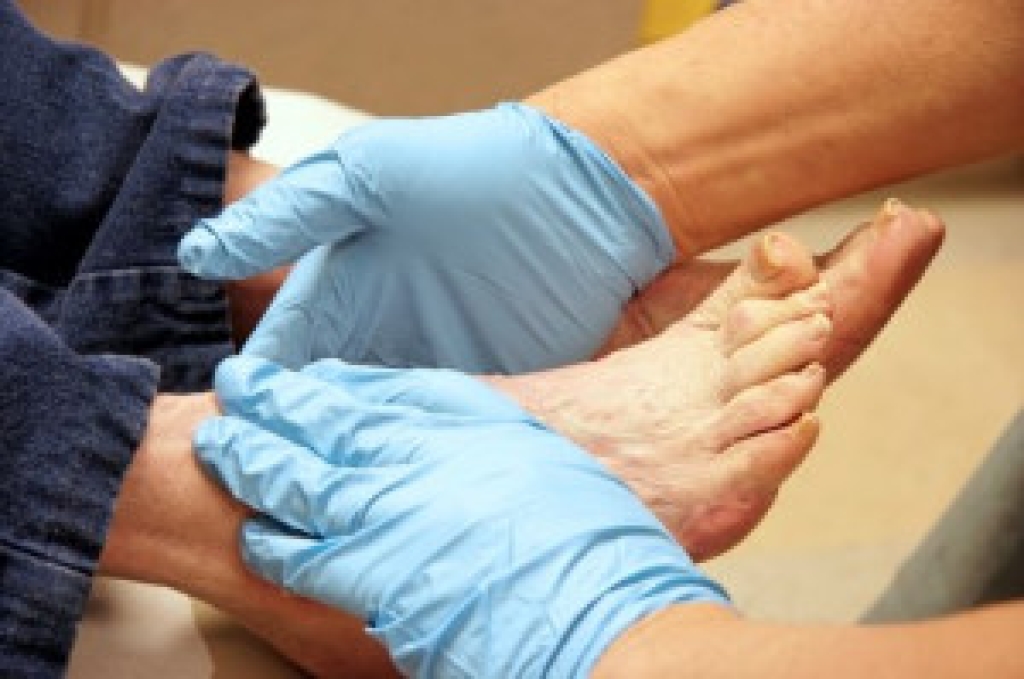
Diabetes can place the feet at risk even before a patient notices a problem. High blood sugar can damage nerves, which can reduce feeling in the toes and soles. It can also narrow blood vessels and limit the oxygen that reaches injured tissue. As a result, a small blister, cut, or pressure spot can go unnoticed and heal poorly. An untreated wound can develop into an ulcer, which is an open sore. Infection can then spread into deeper tissue or bone. In severe cases, these complications can lead to limb loss.
Regular visits to a podiatrist helps find warning signs before they become serious. A podiatrist can inspect the skin, nails, and spaces between the toes. The examination also includes checking blood flow, nerve function, and changes in foot shape. These checks can reveal numbness or pressure points that increase the risk of a wound. A podiatrist can safely trim problem toenails and reduce thick calluses that create pressure. The doctor can also treat ulcers, remove unhealthy tissue, and use dressings to support healing. Signs of poor circulation can lead to further testing or a referral to another specialist.
A podiatrist can recommend properly-fitted shoes, custom orthotics, or protective padding to reduce rubbing and pressure. Patients with a past ulcer, poor circulation, or loss of feeling need closer monitoring. The doctor can set an examination schedule based on a patient’s level of risk. Prompt care is especially important for redness, swelling, or warmth in one foot. Patients should also report drainage, an open sore, or a change in skin color. Fever or increasing pain can signal an infection that requires prompt medical attention. Consistent visits to a podiatrist can protect mobility and help avoid hospital care, serious infection, or loss of limb. If you have foot complications from diabetes, it is suggested that you are under the care of a podiatrist who can help you to manage this serious condition.
Diabetic foot care is important in preventing foot ailments such as ulcers. If you are suffering from diabetes or have any other concerns about your feet, contact Pedram Aslmand, DPM from Advanced Foot and Ankle Center. Our podiatrist can provide the care you need to keep you pain-free and on your feet.
Diabetic Foot Care
Diabetes affects millions of people every year. The condition can damage blood vessels in many parts of the body, especially the feet. Because of this, taking care of your feet is essential if you have diabetes, and having a podiatrist help monitor your foot health is highly recommended.
The Importance of Caring for Your Feet
- Routinely inspect your feet for bruises or sores.
- Wear socks that fit your feet comfortably.
- Wear comfortable shoes that provide adequate support.
Patients with diabetes should have their doctor monitor their blood levels, as blood sugar levels play such a huge role in diabetic care. Monitoring these levels on a regular basis is highly advised.
It is always best to inform your healthcare professional of any concerns you may have regarding your feet, especially for diabetic patients. Early treatment and routine foot examinations are keys to maintaining proper health, especially because severe complications can arise if proper treatment is not applied.
If you have any questions, please feel free to contact our offices located in Long Beach, CA . We offer the newest diagnostic and treatment technologies for all your foot care needs.

