Flat feet occur when the arch along the inside of the foot is lower than usual or rests flat against the ground. Some people have flat feet without pain or difficulty, while others develop symptoms that affect normal daily movement. Pain or tiredness can occur in the feet, ankles, or legs, especially after physical activity. Stiffness and swelling can also develop in the feet or ankles. Another sign is uneven shoe wear, especially near the inside of the heel. Flat feet can affect one foot or both feet and can sometimes change the way a person walks.
Several factors can contribute to flat feet. In children, low arches are often part of normal development, and many children develop arches as they grow. Flat feet can also run in families. Tight muscles or tendons can affect the arch, and excess body weight can place added stress on the feet. Some patients develop flat feet later in life as the arch flattens. When flat feet cause pain, stiffness, or difficulty walking, an evaluation can help determine how the condition is affecting foot function.
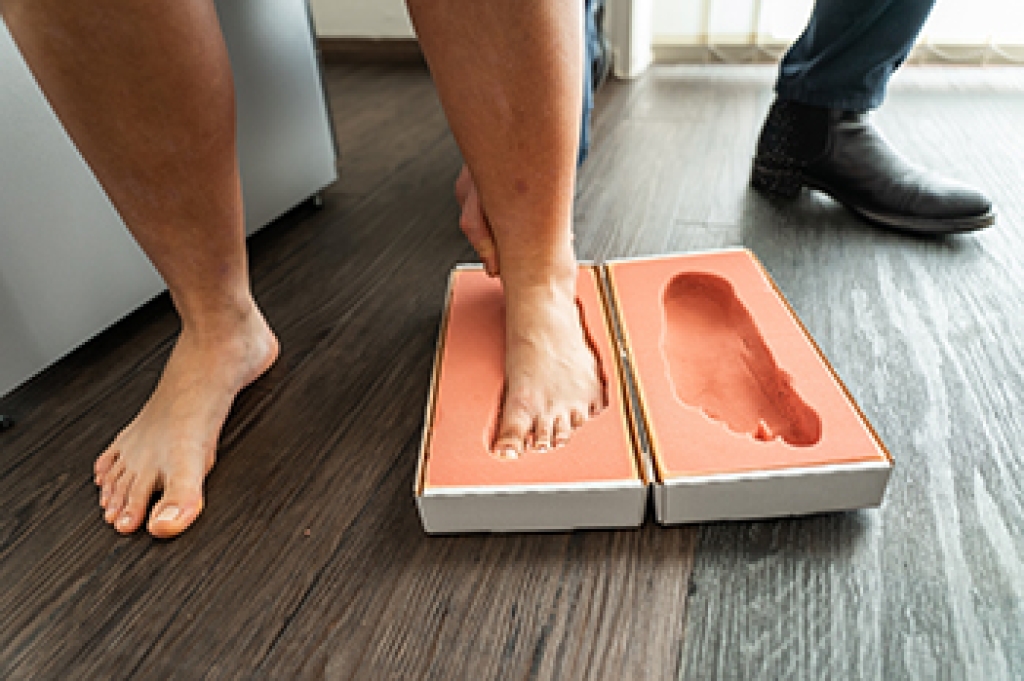
A podiatrist can examine the feet while a patient is standing and walking to evaluate arch shape and movement. The assessment can also consider pain and problems with running or sports. When treatment is appropriate, a podiatrist can recommend orthotics, which are special shoe inserts designed to support the feet and manage related pain. A podiatrist can also recommend shoes that provide proper support and fit the natural shape of the foot. Treatment depends on symptoms and how flat feet affect movement. If you have symptoms of flat feet, it is suggested that you schedule an appointment with a podiatrist for diagnosis and treatment.
Flatfoot is a condition many people suffer from. If you have flat feet, contact Pedram Aslmand, DPM from Advanced Foot and Ankle Center. Our podiatrist will treat your foot and ankle needs.
What Are Flat Feet?
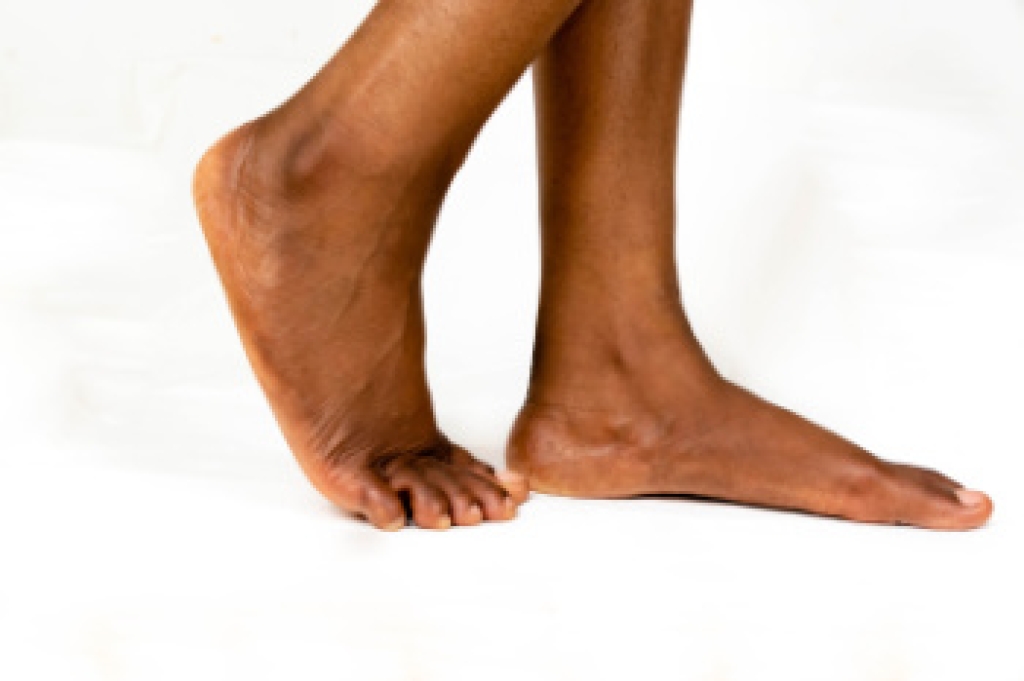
Flatfoot is a condition in which the arch of the foot is depressed and the sole of the foot is almost completely in contact with the ground. About 20-30% of the population generally has flat feet because their arches never formed during growth.
Conditions & Problems:
Having flat feet makes it difficult to run or walk because of the stress placed on the ankles.
Alignment – The general alignment of your legs can be disrupted, because the ankles move inward which can cause major discomfort.
Knees – If you have complications with your knees, flat feet can be a contributor to arthritis in that area.
Symptoms
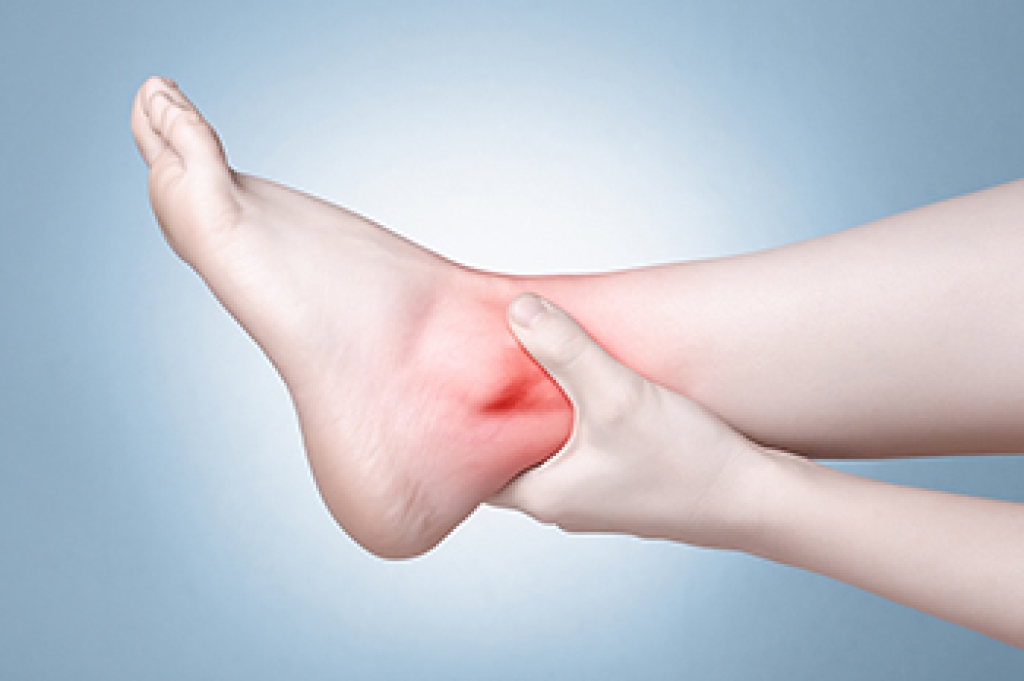
- Pain around the heel or arch area
- Trouble standing on the tip toe
- Swelling around the inside of the ankle
- Flat look to one or both feet
- Having your shoes feel uneven when worn
Treatment
If you are experiencing pain and stress on the foot you may weaken the posterior tibial tendon, which runs around the inside of the ankle.
If you have any questions, please feel free to contact our offices located in Long Beach, CA . We offer the newest diagnostic and treatment technologies for all your foot care needs.