Connect With Us

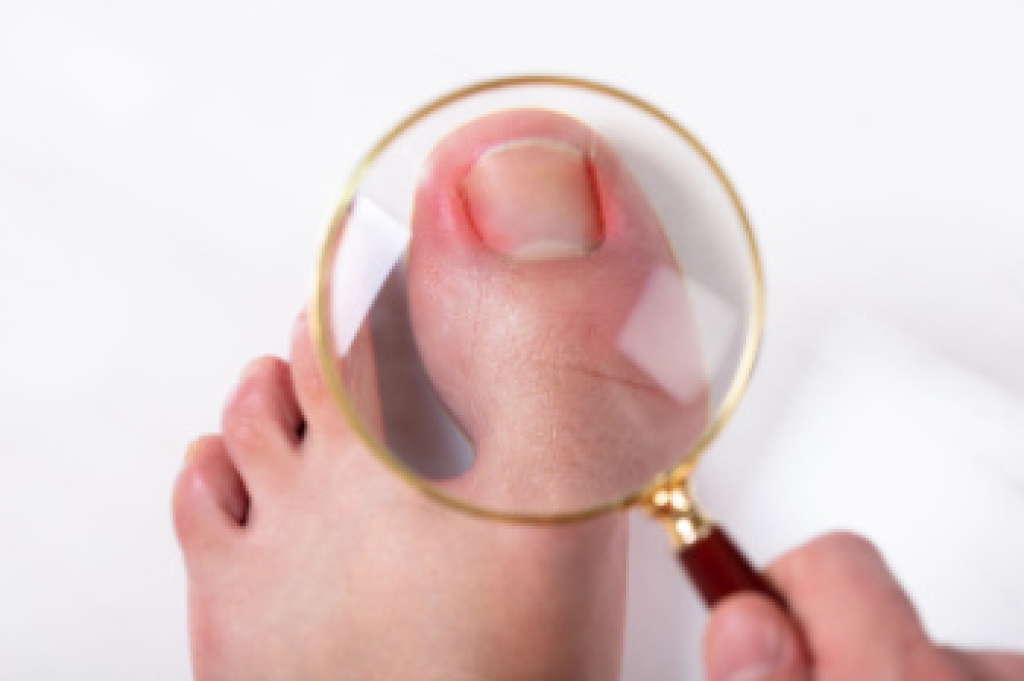
A bunion develops when the bones and soft tissues around the big toe joint slowly lose their normal alignment and stability. The process often begins when the small supporting bones and ligaments beneath the joint weaken and no longer hold the toe in its proper position. As this support breaks down, the base of the big toe starts to shift outward, forming a bump, while the top of the big toe angles toward the second toe. This causes the tendons that help bend and straighten the big toe to be pulled out of place, which increases the sideways drift of the toe. A muscle along the outside of the foot then pulls the big toe into a twisted position, making the joint unstable. Over time, the joint rotates and becomes loose, leading to a visibly angled big toe and the prominent bump seen with a bunion. If you have a painful bunion, it is suggested that you make an appointment with a podiatrist for help.
If you are suffering from bunions, contact Pedram Aslmand, DPM of Advanced Foot and Ankle Center. Our podiatrist can provide the care you need to keep you pain-free and on your feet.
What Is a Bunion?
A bunion is formed of swollen tissue or an enlargement of boney growth, usually located at the base joint of the toe that connects to the foot. The swelling occurs due to the bones in the big toe shifting inward, which impacts the other toes of the foot. This causes the area around the base of the big toe to become inflamed and painful.
Why Do Bunions Form?
Genetics – Susceptibility to bunions are often hereditary
Stress on the feet – Poorly fitted and uncomfortable footwear that places stress on feet, such as heels, can worsen existing bunions
How Are Bunions Diagnosed?
Podiatrists often perform two tests – blood tests and x-rays – when trying to diagnose bunions, especially in the early stages of development. Blood tests help determine if the foot pain is being caused by something else, such as arthritis, while x-rays provide a clear picture of your bone structure to your provider.
How Are Bunions Treated?
If you have any questions, please feel free to contact our offices located in Long Beach, CA . We offer the newest diagnostic and treatment technologies for all your foot care needs.

Overpronation occurs when the foot rolls inward excessively when walking or running, placing uneven stress on bones, ligaments, and tendons. Common causes of overpronation include flat feet, ligament laxity, obesity, pregnancy changes, ankle injury, and footwear that lacks adequate support. These mechanics can contribute to heel pain, arch strain, shin discomfort, knee symptoms, and abnormal shoe wear. A podiatrist evaluates overpronation through history, gait analysis, and examination of alignment and joint motion. Treatment focuses on restoring balanced mechanics and reducing strain on the lower extremities. Options include custom orthotics, changes in footwear, activity modification, and strengthening programs supervised by a podiatrist. Bracing or surgery may be needed when structural deformity is present and symptoms persist. If you are experiencing symptoms of overpronation, it is suggested that you make an appointment with a podiatrist for an exam, diagnosis, and treatment.
If you have any concerns about your feet, contact Pedram Aslmand, DPM from Advanced Foot and Ankle Center. Our podiatrist can provide the care you need to keep you pain-free and on your feet.
Biomechanics in Podiatry
Podiatric biomechanics is a particular sector of specialty podiatry with licensed practitioners who are trained to diagnose and treat conditions affecting the foot, ankle and lower leg. Biomechanics deals with the forces that act against the body, causing an interference with the biological structures. It focuses on the movement of the ankle, the foot and the forces that interact with them.
A History of Biomechanics
Modern technological improvements are based on past theories and therapeutic processes that provide a better understanding of podiatric concepts for biomechanics. Computers can provide accurate information about the forces and patterns of the feet and lower legs.
Understanding biomechanics of the feet can help improve and eliminate pain, stopping further stress to the foot.
If you have any questions please feel free to contact our offices located in Long Beach, CA . We offer the newest diagnostic and treatment technologies for all your foot and ankle needs.

Knowing when to replace walking shoes is important for protecting foot health and maintaining proper support with every step. Over time, the cushioning and stability in walking shoes gradually break down, even if the shoes still appear intact. Most walking shoes are designed to last between 350 and 500 miles, which often equals three to six months for people who walk regularly. Worn shoes can alter gait mechanics and place added stress on the feet, ankles, knees, and lower legs. Body weight, walking frequency, and surface type can all influence how quickly shoes wear out. Common signs of excessive wear include uneven sole breakdown, reduced shock absorption, visible creasing in the midsole, or changes in walking comfort. A podiatrist can evaluate walking patterns, inspect shoe wear, and recommend appropriate footwear based on foot structure and activity level. For help with foot pain caused by walking, it is suggested that you make an appointment with a podiatrist for an exam, diagnosis, and treatment.
Everyday foot care is very important to prevent infection and other foot ailments. If you need your feet checked, contact Pedram Aslmand, DPM from Advanced Foot and Ankle Center. Our podiatrist can provide the care you need to keep you pain-free and on your feet.
Everyday Foot Care
Often, people take care of their bodies, face and hair more so than they do for their feet. But the feet are a very important aspect of our bodies, and one that we should pay more attention to. Without our feet, we would not be able to perform most daily tasks.
It is best to check your feet regularly to make sure there are no new bruises or cuts that you may not have noticed before. For dry feet, moisturizer can easily be a remedy and can be applied as often as necessary to the affected areas. Wearing shoes that fit well can also help you maintain good foot health, as well as making it easier to walk and do daily activities without the stress or pain of ill-fitting shoes, high heels, or even flip flops. Wearing clean socks with closed shoes is important to ensure that sweat and bacteria do not accumulate within the shoe. Clean socks help to prevent Athlete’s foot, fungi problems, bad odors, and can absorb sweat.
If you have any questions, please feel free to contact our offices located in Long Beach, CA . We offer the newest diagnostic and treatment technologies for all your foot care needs.

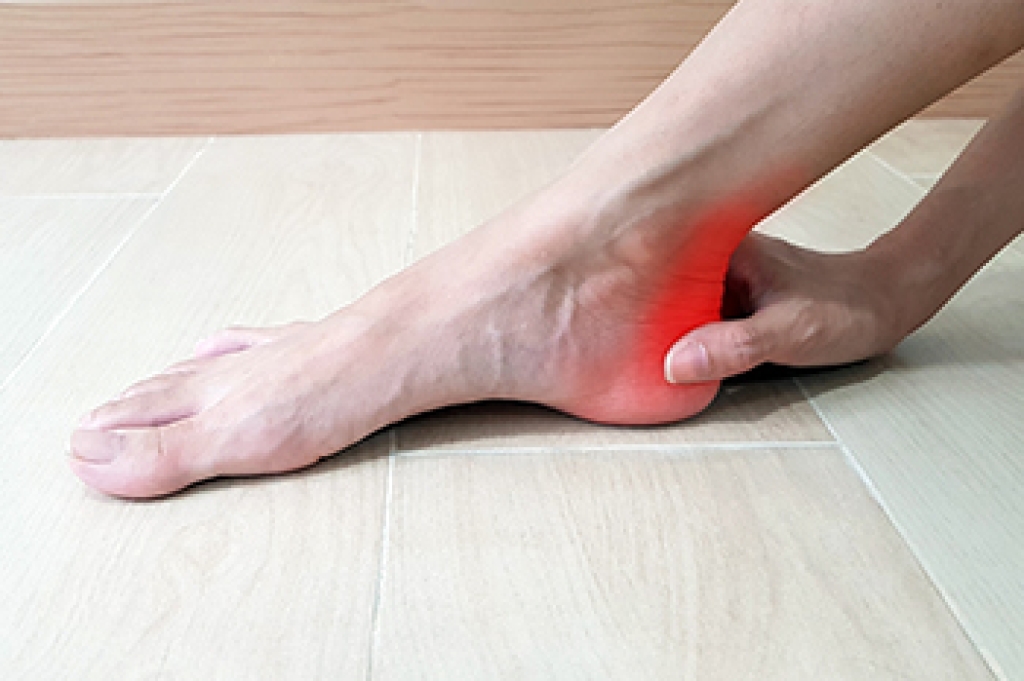
The Achilles tendon connects the calf muscles to the heel bone and plays a key role in walking, running, and pushing off the foot. Injury occurs when this structure becomes irritated, weakened, or overstressed over time or through sudden strain. Common causes include overuse, tight calf muscles, poor footwear, abrupt increases in activity, or a biomechanical imbalance within the foot and ankle. Symptoms often include soreness or stiffness near the heel, tenderness along the tendon, swelling, and discomfort that worsens with movement or first steps in the morning. Some people also notice thickening of the tendon or reduced strength. Treatment focuses on reducing strain and supporting healing. Options may include rest, stretching, activity modification, supportive footwear, custom orthotics, targeted exercises, or injections. Surgery may be considered for severe or long-standing cases. If you have ongoing pain or stiffness in the heel or tendon area, it is suggested that you visit a podiatrist for an evaluation and treatment.
Achilles tendon injuries need immediate attention to avoid future complications. If you have any concerns, contact Pedram Aslmand, DPM of Advanced Foot and Ankle Center. Our podiatrist can provide the care you need to keep you pain-free and on your feet.
What Is the Achilles Tendon?
The Achilles tendon is a tendon that connects the lower leg muscles and calf to the heel of the foot. It is the strongest tendon in the human body and is essential for making movement possible. Because this tendon is such an integral part of the body, any injuries to it can create immense difficulties and should immediately be presented to a doctor.
What Are the Symptoms of an Achilles Tendon Injury?
There are various types of injuries that can affect the Achilles tendon. The two most common injuries are Achilles tendinitis and ruptures of the tendon.
Achilles Tendinitis Symptoms
Rupture Symptoms
Treatment and Prevention
Achilles tendon injuries are diagnosed by a thorough physical evaluation, which can include an MRI. Treatment involves rest, physical therapy, and in some cases, surgery. However, various preventative measures can be taken to avoid these injuries, such as:
If you have any questions please feel free to contact our offices located in Long Beach, CA . We offer the newest diagnostic tools and technology to treat your foot and ankle needs.
Connect With Us