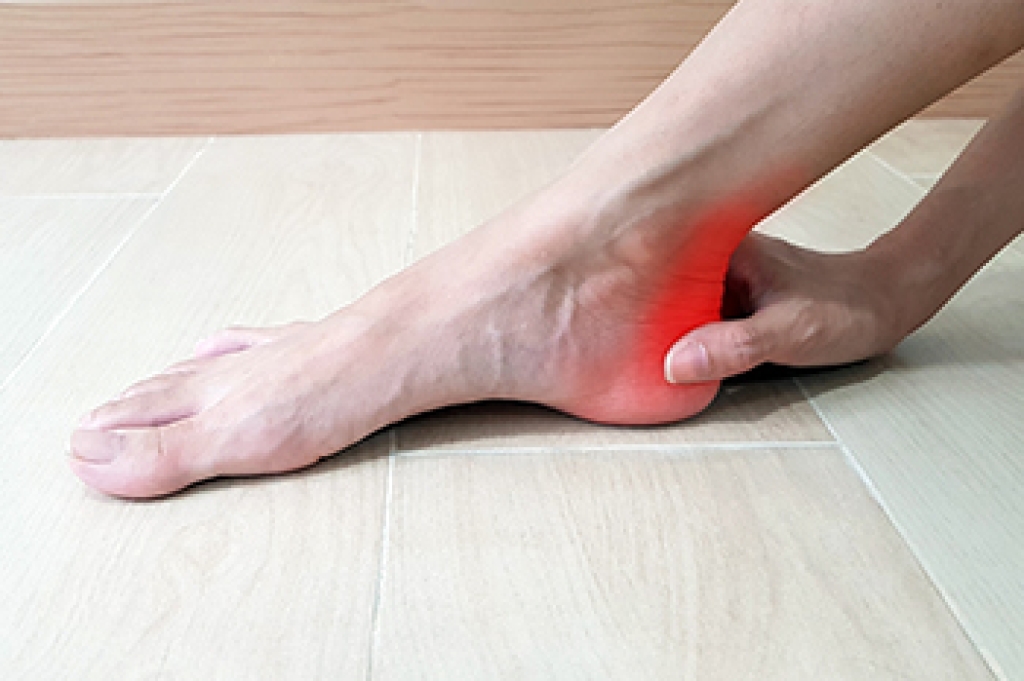
Mid-Foot Stress Fractures in Runners

Mid-foot stress fractures in runners often involve the navicular bone, which lies between the ankle and the front of the foot. Repetitive impact from running can place excessive pressure on this bone. This often happens during foot strike, when the navicular becomes trapped between the talus and the cuneiform bones. The resulting pressure can eventually cause a small crack to form, which leads to pain on the top or inner side of the mid-foot. Because these mid-foot stress fractures are difficult to detect on standard X-rays, advanced imaging, such as a CT scan or MRI, is often needed to confirm the diagnosis. Without proper care, the fracture can become worse or heal improperly, resulting in long-term pain or weakness. A podiatrist can assess the injury, ensure accurate imaging, and recommend appropriate treatment or surgery if needed. If you have mid-foot pain while running, it is suggested that you make an appointment with a podiatrist for a diagnosis and suggested treatment.

Stress fractures occur when there is a tiny crack within a bone. To learn more, contact Pedram Aslmand, DPM from Advanced Foot and Ankle Center. Our podiatrist can provide the care you need to keep you pain free and on your feet.

How Are They Caused?

Stress fractures are the result of repetitive force being placed on the bone. Since the lower leg and feet often carry most of the body’s weight, stress fractures are likely to occur in these areas. If you rush into a new exercise, you are more likely to develop a stress fracture since you are starting too much, too soon.  Pain resulting from stress fractures may go unnoticed at first, however it may start to worsen over time.

Risk Factors

  • Gender – They are more commonly found in women compared to men.
  • Foot Problems – People with unusual arches in their feet are more likely to develop stress fractures.
  • Certain Sports – Dancers, gymnasts, tennis players, runners, and basketball players are more likely to develop stress fractures.
  • Lack of Nutrients – A lack of vitamin D and calcium may weaken the bones and make you more prone to stress fractures
  • Weak Bones – Osteoporosis can weaken the bones therefore resulting in stress fractures

Stress fractures do not always heal properly, so it is important that you seek help from a podiatrist if you suspect you may have one. Ignoring your stress fracture may cause it to worsen, and you may develop chronic pain as well as additional fractures.

If you have any questions please contact our offices located in Long Beach, CA . We offer the newest diagnostic and treatment technologies for all your foot and ankle needs.

Read more about Stress Fractures of the Foot and Ankle

Differences Between Toenail Fungus and Psoriasis

Toenail fungus and psoriasis can both cause thick, discolored, or damaged toenails, but they have different causes. Toenail fungus is an infection that develops when fungi enter the nail through small openings or cracks. The fungi thrive in moist environments like inside shoes or public showers. It can cause the nail to darken, become brittle, and sometimes give off an odor. Nail psoriasis is an autoimmune condition that affects how skin cells grow beneath the nail. It leads to pitting, yellow or brown discoloration, and buildup that lifts the nail from the bed. Because these conditions look similar, it can be hard to tell them apart without professional help. A podiatrist can examine the toenails, perform tests if needed, and provide the best treatment to restore nail health. If you notice changes to your toenails, it is suggested that you make an appointment with a podiatrist for a diagnosis and treatment.

If left untreated, toenail fungus may spread to other toenails, skin, or even fingernails. If you suspect you have toenail fungus it is important to seek treatment right away. For more information about treatment, contact Pedram Aslmand, DPM of Advanced Foot and Ankle Center. Our podiatrist can provide the care you need to keep you pain-free and on your feet.

Symptoms

  • Warped or oddly shaped nails
  • Yellowish nails
  • Loose/separated nail
  • Buildup of bits and pieces of nail fragments under the nail
  • Brittle, broken, thickened nail

Treatment

If self-care strategies and over-the-counter medications does not help your fungus, your podiatrist may give you a prescription drug instead. Even if you find relief from your toenail fungus symptoms, you may experience a repeat infection in the future.

Prevention

In order to prevent getting toenail fungus in the future, you should always make sure to wash your feet with soap and water. After washing, it is important to dry your feet thoroughly especially in between the toes. When trimming your toenails, be sure to trim straight across instead of in a rounded shape. It is crucial not to cover up discolored nails with nail polish because that will prevent your nail from being able to “breathe”.

In some cases, surgical procedure may be needed to remove the toenail fungus. Consult with your podiatrist about the best treatment options for your case of toenail fungus.  

If you have any questions please contact our offices located in Long Beach, CA . We offer the newest diagnostic and treatment technologies for all your foot and ankle needs.

Read more about Toenail Fungus

What Can Cause Cracked Heels?

Cracked heels are a common foot concern that can cause discomfort and affect daily activities. They often develop when the skin becomes dry and thickened, leading to painful splits. Cracked heels may occur due to itching from an injury, underlying endocrine disease, improper hygiene, or a lack of essential vitamins and minerals that support healthy skin. Symptoms include rough skin, redness, peeling, tenderness, and, in severe cases, bleeding. A podiatrist can identify the root cause and provide treatments such as debridement, moisturizing therapies, guidance on nutritional support, and advice on proper foot care habits. Addressing cracked heels early can prevent infection and ongoing pain. If you have developed cracked heels, it is suggested that you consult a podiatrist who can offer relief and effective treatment solutions, which may include prescribed medication.

Cracked heels are unsightly and can cause further damage to your shoes and feet. If you have any concerns, contact Pedram Aslmand, DPM from Advanced Foot and Ankle Center. Our podiatrist can provide the care you need to keep you pain-free and on your feet.

Cracked Heels

Cracked heels appear unappealing and can make it harder for you walk around in sandals. Aside from looking unpleasant, cracked heels can also tear stockings, socks, and wear out your shoes. There are several methods to help restore a cracked heel and prevent further damage.

How Do You Get Them?

Dry skin is the number one culprit in creating cracked heels. Many athletes, walkers, joggers, and even swimmers suffer from cracked heels. Age and skin oil production play a role to getting cracked heels as well.

Promote Healing

Over the counter medicines can help, especially for those that need instant relief or who suffer from chronic dry feet.

Wear Socks – Wearing socks with medicated creams helps lock in moisture.

Moisturizers – Applying both day and night will help alleviate dryness which causes cracking.

Pumice Stones – These exfoliate and remove dead skin, which allows for smoother moisturizer application and better absorption into the skin. 

Change in Diet

Eating healthy with a well-balanced diet will give the skin a fresh and radiant look. Your body responds to the kinds of food you ingest. Omega-3 fatty acids and zinc supplements can also revitalize skin tissue.

Most importantly, seek professional help if unsure how to proceed in treating cracked heels. A podiatrist will help you with any questions or information needed. 

If you have any questions, please feel free to contact our offices located in Long Beach, CA . We offer the newest diagnostic and treatment technologies for all your foot care needs.

Read more about Solutions for Cracked Heels

How to Tell if My Toe Pain Is Gout

Pain in the big toe can be a sign of gout, a type of arthritis caused by the buildup of uric acid crystals within the joint. When this acid accumulates faster than the body can eliminate it, sharp crystals form around the base of the big toe, known as the metatarsophalangeal, or MTP, joint. A gout flare-up often appears suddenly, producing intense pain, swelling, redness, and warmth in the MTP joint. It can become so tender that even light contact from a bedsheet feels painful. Repeated episodes can damage joint tissues and lead to visible lumps called tophi, which form beneath the skin near the toe or ankle. A podiatrist can examine your foot, order imaging tests or joint fluid analysis, and recommend a treatment plan to reduce pain and protect long-term joint health. If you have flare-ups of big toe pain, it is suggested that you schedule an appointment with a podiatrist for a diagnosis and appropriate treatment options.

Gout is a painful condition that can be treated. If you are seeking treatment, contact Pedram Aslmand, DPM from Advanced Foot and Ankle Center. Our podiatrist will treat your foot and ankle needs.

What Is Gout?

Gout is a form of arthritis that is characterized by sudden, severe attacks of pain, redness, and tenderness in the joints. The condition usually affects the joint at the base of the big toe. A gout attack can occur at any random time, such as the middle of the night while you are asleep.

Symptoms

  • Intense Joint Pain - Usually around the large joint of your big toe, and it most severe within the first four to twelve hours
  • Lingering Discomfort - Joint discomfort may last from a few days to a few weeks
  • Inflammation and Redness -Affected joints may become swollen, tender, warm and red
  • Limited Range of Motion - May experience a decrease in joint mobility

Risk Factors

  • Genetics - If family members have gout, you’re more likely to have it
  • Medications - Diuretic medications can raise uric acid levels
  • Gender/Age - Gout is more common in men until the age of 60. It is believed that estrogen protects women until that point
  • Diet - Eating red meat and shellfish increases your risk
  • Alcohol - Having more than two alcoholic drinks per day increases your risk
  • Obesity - Obese people are at a higher risk for gout

Prior to visiting your podiatrist to receive treatment for gout, there are a few things you should do beforehand. If you have gout you should write down your symptoms--including when they started and how often you experience them, important medical information you may have, and any questions you may have. Writing down these three things will help your podiatrist in assessing your specific situation so that he or she may provide the best route of treatment for you.

If you have any questions, please feel free to contact our offices located in Long Beach, CA . We offer the newest diagnostic and treatment technologies for all your foot care needs.

Read more about Gout

Connect With Us

scroll to top